
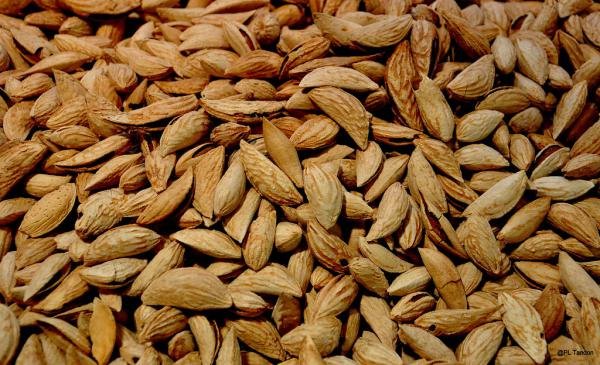
Almond Nut Shell: Does the Shell Really Keep Almonds Fresher?
If you’ve ever bought almonds in shell, you’ve probably wondered why the almond nut shell even exists. Is it just a tougher version of packaging… or does it actually protect the almond inside?
It does. And once you understand how, you’ll know exactly when in-shell almonds are worth it (and how to keep them tasting their best).
What the almond nut shell actually protects
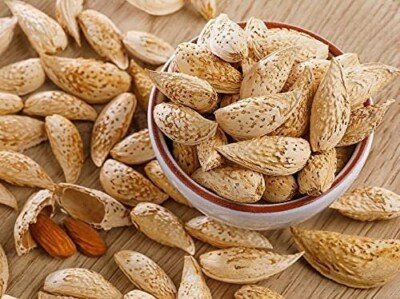
Almonds are naturally rich in oils. Those oils are what make a good almond taste sweet, nutty, and clean — but they’re also the first thing to lose quality when the nut sits around too long.
The shell’s main job is to act like a barrier against the three biggest “freshness killers”:
1) Air (oxygen)
Oxygen slowly changes nut oils over time, which can make almonds taste dull or “stale.”
2) Light
Light isn’t great for long storage. The shell blocks it naturally.
3) Heat + humidity swings
Warmth speeds up quality loss. Humidity can soften texture. The shell helps buffer the kernel from small changes.
That’s why in-shell almonds often hold their crunch and flavor longer compared to almonds that are already exposed.
Are in-shell almonds always better?
Not automatically — but they’re more forgiving.
Shelled almonds can be just as fresh if they’re packed well and stored properly. But once a bag is opened, shelled almonds have direct exposure to air and moisture. In-shell almonds still have that natural barrier, so they stay stable longer in normal home storage.
A simple “freshness test” you can do at home
If you’re trying to figure out if your almonds are still good, here are quick checks that actually help:
1) The smell test (most reliable)
Fresh almonds smell lightly sweet and nutty.
If you notice a sharp, paint-like, or “old oil” smell — that’s a sign the oils have started to go off.
2) The bite test
Fresh almonds = crisp snap.
Older almonds = chewy, soft, or slightly waxy.
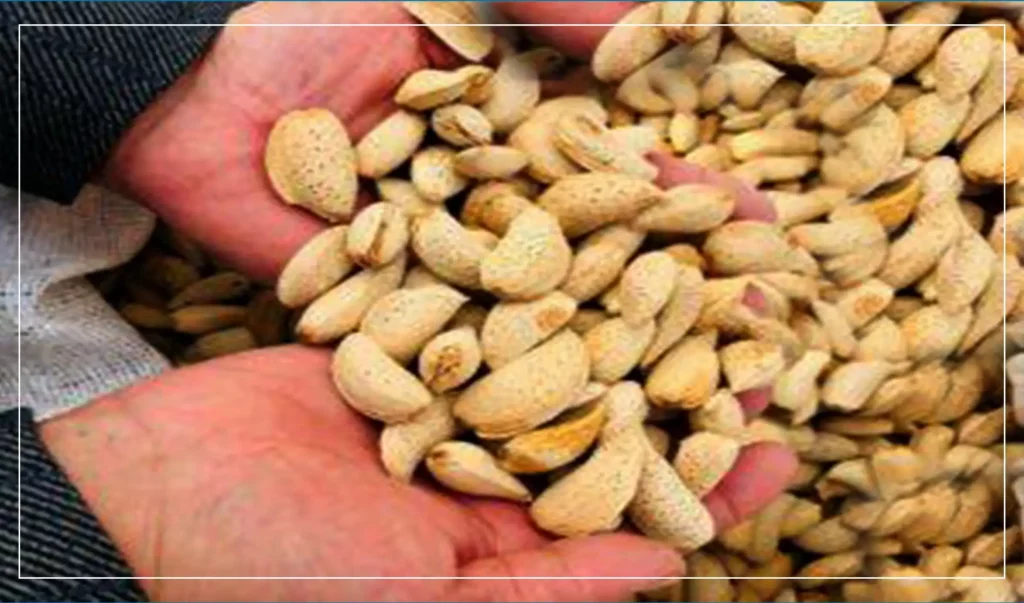
3) The shell check (for in-shell almonds)
Shell should be dry, not damp
Avoid shells that look very dark, stained, or moldy
A gentle rattle when you shake one often means the kernel is properly dried (no guarantee, but a good sign)
Why people actually love almonds in shell (besides freshness)
This is the part that makes in-shell almonds worth buying even when you already have shelled almonds at home:
They slow down snacking
Cracking makes you eat more intentionally. It’s like pistachios — you snack longer, and a bowl lasts.
They look premium when hosting
A bowl of almonds in shell instantly feels “guest-ready.” It looks more curated and less like a pantry snack.
The almond inside stays more protected
Even if the outer bag gets opened and closed a lot, the kernel has one extra layer of protection.
How to store almonds in shell so they stay crisp
If you’re buying in-shell almonds for freshness, storage is what protects your purchase.
Keep them cool and dry
Use an airtight container after opening the bag
Don’t store them beside heat (stove, oven, sunny window)
If your kitchen runs warm, storing nuts in the fridge can help maintain quality longer. Just make sure the container is sealed so they don’t absorb fridge odors.
When you should choose in-shell vs shelled
Choose in-shell almonds if:
You want a snack that lasts longer on the counter
You like a slower, more satisfying “crack and snack” experience
You’re serving guests or building a snack board
You’re buying for storage and want extra protection
Choose shelled almonds if:
You bake often
You use almonds in smoothies, salads, or meal prep
Convenience matters most
Bottom line
The almond nut shell is a natural freshness shield. It helps protect the almond inside from air, light, and day-to-day storage conditions — and it turns snacking into something slower and more enjoyable.